
Media Readiness Checklist

This checklist is designed to empower you with the tools and preparation needed to walk into any interview or speaking engagement with confidence and clarity.
A media appearance is not just a conversation; it’s an opportunity to shape your narrative and elevate your message. This checklist is designed to empower you with the tools and preparation needed to walk into any interview or speaking engagement with confidence and clarity.
Phase 1: Strategic Preparation
Before the Interview
Know Your Audience & Your Purpose
Your message must be tailored to who is listening. Understanding the media outlet and its audience allows you to speak their language, address their specific interests, and choose the most impactful examples. Before you go on camera, know exactly what you want the audience to feel, think, and do.
Define Your Core Message (The Rule of Threes)
The most memorable communication is concise. Identify your three most essential points and have a clear, simple sentence for each one. This serves as your mental map. No matter where the conversation goes, you can always bridge back to one of these three core messages, ensuring you stay on track and don’t get lost in the details.
Anticipate the Questions
Preparation is the antidote to anxiety. Go beyond the obvious questions and brainstorm the toughest ones you might face, including those that are hostile or off-topic. Prepare your answers for each using your core messages as the foundation for your responses.
Prepare Your Environment
Your surroundings are part of your message. If your interview is remote, ensure you have a clean, professional, and well-lit backdrop. Check your audio, video, and internet connection before the interview. A flawless technical setup projects competence and professionalism.
Phase 2: Execution & Delivery
During the Interview
Project Confidence with Your Body
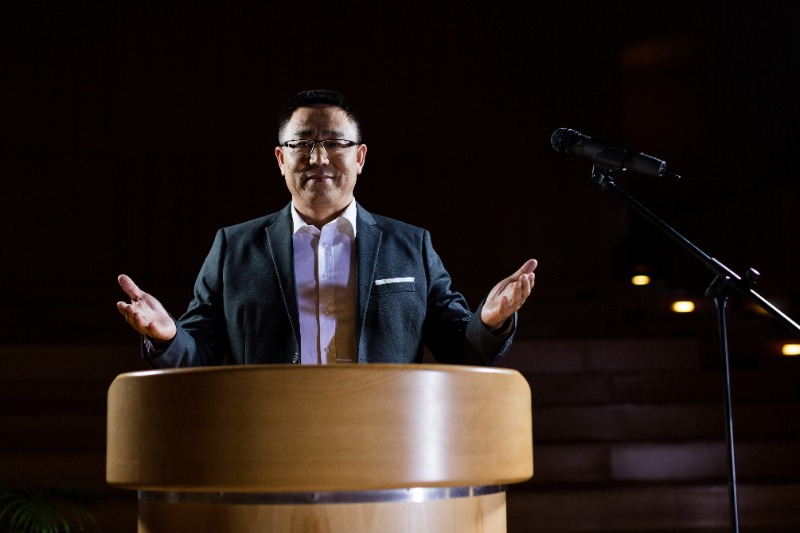
Your body language often speaks louder than your words. Maintain a strong, open posture and direct eye contact with the camera or the interviewer. Use purposeful hand gestures to emphasize key points and avoid nervous fidgeting, rocking or swaying. This not only makes you appear more confident but can also make you feel more confident.
Be Concise and Clear
In the fast-paced world of media, brevity is a virtue. Answer questions directly and avoid rambling. Lead with your main point first, then follow with a brief explanation. Use simple language and avoid jargon. Remember that clear communication is concise communication.
Master Bridging and Flagging
These techniques allow you to control the narrative. Bridging is your tool for transitioning from a difficult question back to one of your key messages. Flagging is your way of signaling what is most important to the audience. Use phrases like, “The most important thing here is…” or “What I want you to remember is…” to draw attention to your core messages.
Phase 3: Analysis & Follow-Up
After the Interview
Review and Analyze Your Performance
The best way to improve is to learn from your experience. Watch your interview and assess what worked well and what can be improved. Did you successfully deliver your core messages? Was your body language confident? This self-analysis is a crucial step in your ongoing professional development.
Follow Up (If Appropriate)
A brief follow-up email to thank the producer or host is a polite and professional touch. It can help strengthen your relationships with media professionals, which can lead to future opportunities.
Need help preparing for your next moment in front of the camera?

Ready to rise higher?
Let’s elevate your message, sharpen your presence, and turn high-stakes moments into lasting influence.
.
Ready to rise higher?
Let’s elevate your message, sharpen your presence, and turn high-stakes moments into lasting influence.